
 (747) 330-0095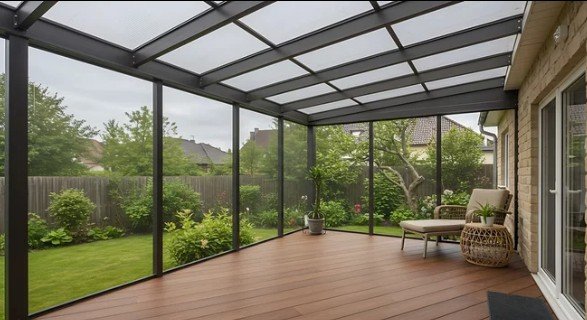
As families grow and lifestyles change, the need for additional space inside the home becomes increasingly important. Moving to a larger property is one option, but it is not always the most practical or financially attractive solution. A thoughtfully designed addition can provide the extra room a household needs while also improving the functionality, appearance, and long-term value of the property. For homeowners considering this type of improvement, understanding different home reconstruction ideas can make the planning process much easier.
A successful addition should do more than simply increase square footage. It should feel like a natural extension of the existing house, complement its architecture, and provide a useful space that will remain valuable for years. Elevate Pro Construction helps homeowners approach these projects with attention to design, functionality, materials, and construction quality.
Why Consider a Home Addition?
One of the biggest advantages of an addition is the ability to customize the property around your current needs. Instead of adapting to a new house, homeowners can transform their existing property to better match their lifestyle.
A larger kitchen, an additional bedroom, a dedicated home office, or a new entertainment area can significantly change how a household uses its space. At the same time, improvements that add functional living areas may make the property more attractive to future buyers.
Home reconstruction companies often recommend evaluating both present needs and long-term goals before deciding what type of addition makes sense. For example, a family may need a playroom today but could eventually use the same space as a study, guest room, or entertainment area.
Popular Home Addition Ideas
There are many ways to expand a property, and the best solution depends on the available space, architectural structure, budget, and local requirements. Some homeowners prefer expanding outward, while others may benefit from converting or extending existing areas.
Common options include:
- Adding a new bedroom or guest suite for family members and visitors.
- Creating a larger kitchen with additional storage and dining space.
- Building a dedicated home office for remote work and business activities.
- Expanding the living room to create a more comfortable gathering area.
- Adding a primary bedroom suite with a private bathroom and walk-in closet.
- Creating a multifunctional room that can serve as an office, gym, hobby area, or guest space.
Each option can contribute differently to the property’s usability and appeal. The most valuable addition is usually one that solves a genuine space problem without making the home feel unbalanced.
How an Addition Can Affect Property Value
Additional square footage can be beneficial, but size alone does not determine whether an investment will improve property value. Quality, layout, location, and compatibility with the existing house all matter.
A poorly planned extension can make circulation difficult or create an awkward transition between old and new areas. In contrast, a professionally designed addition can improve the overall flow of the property and make previously underused areas more functional.
| Addition Type | Main Benefit | Potential Long-Term Value |
|---|---|---|
| Extra Bedroom | Accommodates family or guests | High |
| Kitchen Expansion | Improves cooking and entertaining | High |
| Home Office | Supports remote work | Moderate to High |
| Primary Suite | Adds comfort and privacy | High |
| Family Room | Creates flexible living space | Moderate to High |
| Garage Conversion | Uses existing square footage | Depends on design |
Homeowners should also consider how an addition fits the surrounding neighborhood. A very expensive improvement may not provide the expected return if it makes the property significantly more expensive than comparable homes nearby.
Planning for Functionality
Good design starts with understanding how people will actually use the new space. A floor plan should account for furniture placement, natural lighting, storage, entrances, windows, and connections to other rooms.
For example, a kitchen extension should not only provide more cabinets and countertops. It should improve movement between cooking, dining, and living areas. Similarly, a home office should provide sufficient lighting, electrical access, privacy, and comfortable working space.
Home reconstruction ideas should therefore be evaluated from a practical perspective rather than simply choosing a visually attractive design. The goal is to create an addition that remains useful throughout different stages of life.
Steps to Plan a Successful Addition
Before construction begins, homeowners should establish a clear concept and understand the scope of the project.
- Define the main reason for adding space and identify which rooms or functions are most important.
- Review the existing structure and determine how the addition can connect naturally to the house.
- Establish a realistic budget that accounts for construction, materials, design work, permits, and potential unexpected expenses.
- Develop a detailed floor plan and select materials that complement the existing property.
- Confirm local requirements and prepare the project for construction.
A professional construction team can help coordinate these stages and identify potential issues before they become expensive problems.
Choosing the Right Construction Partner
The contractor has a major influence on the final result. Homeowners should look beyond the initial estimate and evaluate communication, experience, project organization, workmanship, and understanding of the property’s existing structure.
When comparing home reconstruction companies, it is useful to ask how they approach design coordination, scheduling, material selection, inspections, and unexpected construction conditions. Clear communication can prevent misunderstandings and help keep the project organized.
Elevate Pro Construction focuses on creating practical renovation and addition solutions designed around each property’s unique characteristics. Instead of treating every project as a standard template, a thoughtful approach considers the existing architecture and the homeowner’s objectives.
Creating Long-Term Value
A home addition should be considered an investment in both everyday comfort and the future of the property. Durable materials, efficient layouts, appropriate lighting, and cohesive architectural details can make an addition feel like it was always part of the house.
The strongest home reconstruction ideas balance aesthetics with practical performance. A beautiful room that lacks storage or functionality may quickly become frustrating, while a carefully planned space can remain useful for many years.
Ultimately, the right addition is not necessarily the largest one. It is the one that provides meaningful additional space, integrates with the existing property, and supports the way homeowners want to live. With careful planning and professional execution, expanding an existing home can be a more flexible alternative to relocating while also improving the property’s overall appeal.